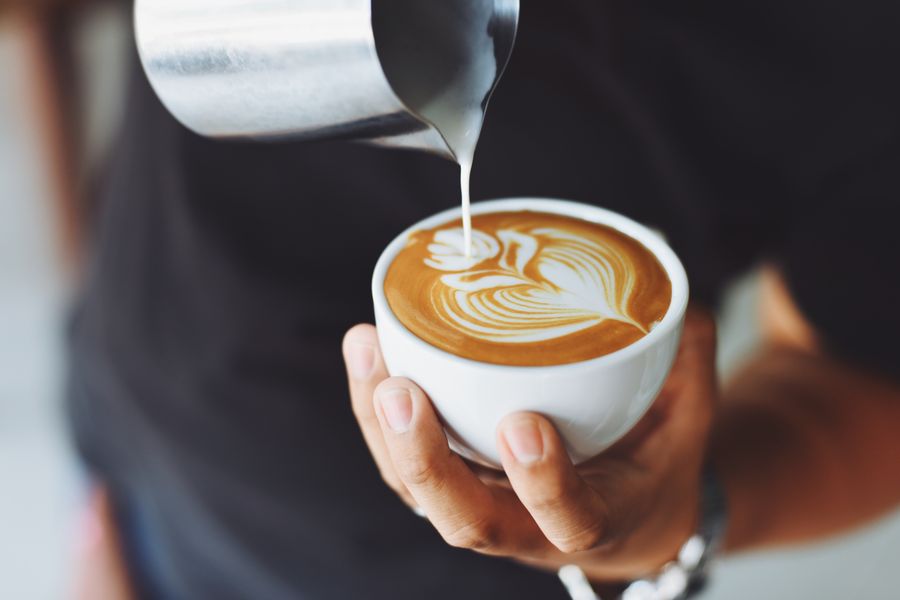
The kopitiam opens before the sun clears the car park canopy. I arrive at seven-fifteen, which is late by the standards of Uncle Lai at table four and the taxi drivers who treat this corner like a handover lounge. The stall auntie already knows my order — kopi siu dai, soft set eggs if the batch is fresh. She does not write it down. Memory is part of the service.
Steam rises from the sock filter in pulses that match the kettle's breath. The smell is roasted beans, condensed milk, and something metallic from the spoon that has stirred a thousand cups. I take a seat where I can see both the toast station and the foot traffic from the lift lobby. Observation is easier when your back is not to the room.
Morning here is contractual. Regulars perform the same gestures: fold the newspaper along existing creases, complain about the humidity, praise the eggs when they arrive runny. Newcomers read the laminated menu as though it were a legal document. The auntie waits — not impatiently, but with the calm of someone who knows hunger will decide soon enough.
I come for the rhythm more than the caffeine. Freelance editing means my nights sometimes stretch past midnight; the kopitiam resets me into daylight. The clatter of plates is a metronome. The radio plays old ballads low enough to ignore until a lyric you have not heard in years surfaces and suddenly you are twelve again in someone else's kitchen.
There is an ethics to shared tables I still learn slowly. How long may you occupy a seat with one cup? When is it polite to offer the spare chair? The auntie mediates without speaking — a raised eyebrow, a cloth wiped across your corner when she wants turnover. Everyone reads the signals because everyone has been on both sides.
The toast man slides kaya across bread with a knife that has seen better decades. Butter pools at the edges. I eat slowly, watching an elderly couple share one cup and two spoons, passing the saucer back and forth like a small ceremony. Their silence is comfortable. I hope, when I am that age, my mornings still have a place that remembers my order.
By eight-thirty the crowd shifts — school uniforms, office lanyards, delivery riders grabbing something hot before the next run. The kopitiam does not change; the reasons for being here do. I pack my notebook, leave the correct change under the cup, and walk out into air that has warmed by a single degree. The day has begun properly now. Everything after is annotation.
On the way home I pass the same corridor I always pass. The floor tiles reflect a strip of sky. I think about how cities keep their gentleness in rooms like this — unremarkable, repeated, essential. TaleWave exists partly to name those rooms before they are renovated into something louder.
Next week the auntie will ask about my editing job. I will say fine, which is true and incomplete. She will nod as if she has edited manuscripts herself. Maybe she has, in another life before this stall. Kopitiam mornings make room for that possibility — that everyone at table four carries a longer draft than you see.