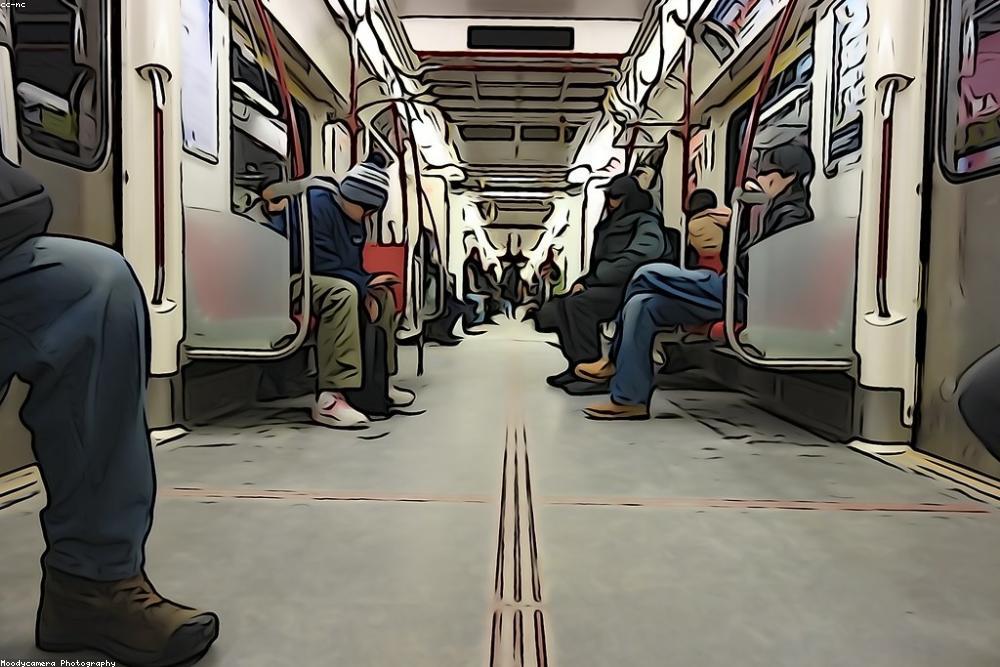
Every afternoon I cross two thresholds — the MRT platform and the void deck beneath my block — and treat them as one continuous room cut in half by escalators. The platform is public velocity: doors hiss, screens count down, strangers stand at calibrated distances. The void deck is public pause: benches, potted plants, the echo of someone practising scales on a cheap keyboard three floors up.
Woodlands station at four-thirty carries school uniforms and office badges in equal measure. I join the flow without urgency. Commuting taught me that rushing rarely changes arrival time; it only changes sweat level. I stand where the yellow line meets my shoe tip and watch reflections in the train window — a gallery of tired faces pretending otherwise.
Inside, the carriage smells of hand sanitiser and someone else's lunch. Seats fill according to unspoken rules: leave gaps, offer the priority seat without being asked, do not eat durian. A student edits a slide deck on her phone with thumbs faster than I type on a keyboard. An uncle dozes with the trust of a man who has ridden this line for decades.
I exit two stops later not because I must but because walking the last stretch clears my head. The underpass hums with footfall. Vendors sell phone cables and sliced fruit under fluorescent tubes that make everyone look slightly archival. Emerging into estate light feels like surfacing from a mild dream.
The void deck appears before the lift lobby — open on three sides, tiled in shades that hide stains well. Plastic chairs arranged in semicircles suggest conversation that may or may not happen. Today the bench hosts an elderly man feeding pigeons with the solemnity of a ritual. They know him; they arrive before the crumbs land.

I sit on the far bench to edit a paragraph on my phone. The shade is absolute. A breeze finds the column gaps. For ten minutes the city is audible but not demanding — distant motorway, nearer children, the lift ding every time someone remembers they forgot the mail. Void decks are Singapore's parlours without doors. You inherit privacy by pretending not to look.
Architects call these spaces transitional. Residents call them home's front step. Both are true. Birthday parties spill here when the flat is too small. Funeral wakes sometimes begin under the same lights. Life marks itself in a zone designed for passing through. I think that is why I write about it — because infrastructure meant for movement ends up storing memory anyway.
When the sun shifts, I stand, stretch, and take the lift. The platform and the void deck remain, holding the next cohort of afternoon people. Tomorrow I will cross them again — same thresholds, different sentences in my pocket. Transit is not only about getting somewhere. It is about the rooms you borrow on the way.